
Introducing the graduate students who have joined the EGI this autumn...
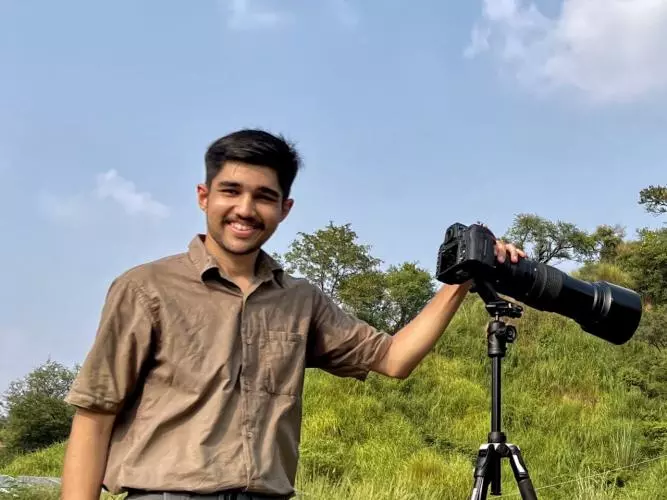
My research to date sits at the interface of movement ecology, trophic ecology, taxonomy and applied conservation. I focus on the behavioural ecology of waterfowl, particularly quantifying their movements at fine spatial scales alongside their trophic environment and interactions with other birds and their habitats. I also specialise in the behaviour and taxonomy of aquatic invertebrates that form the prey base of these waterfowl, and how variation in these communities influences bird distribution and movement. By connecting these two systems, I aim to understand their structure and dynamics, identify predictable ecological patterns, and determine the processes that regulate population size and distribution.
My DPhil research builds on this work by examining waterfowl movement at a much larger, cross-continental scale between Europe and Asia. I am interested in whether migratory waterfowl track sequential waves of aquatic invertebrate resources across wetlands, and how changes in the timing and distribution of these resources shape migratory routes and population dynamics.
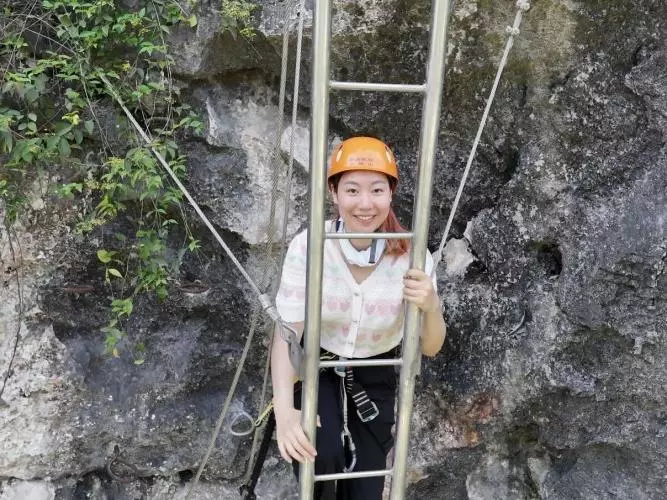
I am interested in evolutionary genomics and population genetics, especially how natural populations adapt to environmental change. The long-term study systems at Wytham Woods—the great tit and the winter moth—are particularly appealing to me because they allow us to link ecology, genetics, and evolution.
My DPhil research focuses on the winter moth, using population genomics and transcriptomics to investigate the genetic and epigenetic mechanisms of climate adaptation, including the role of sex chromosomes and gene flow.

I am interested in sensory ecology, sociality, and animal behavior. My research focuses on visual and acoustic information transmission in mixed-species flocks at Wytham Woods. Investigating how these birds communicate and learn across social networks can inform our understanding of how populations might adapt to changing resources and environments in the future.
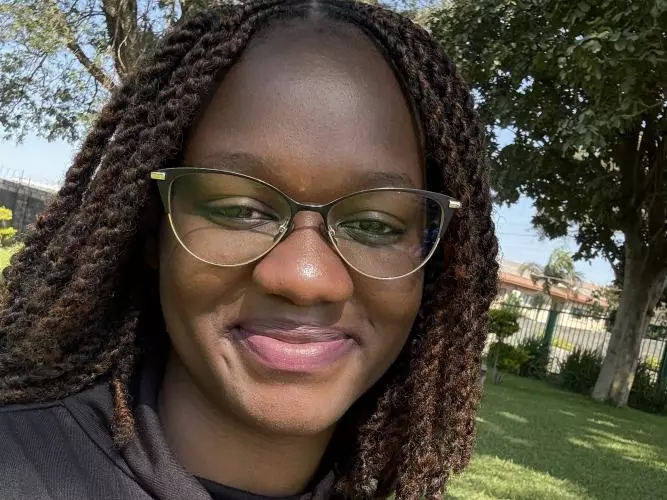
I am interested in evolutionary ecology, particularly how variation in reproductive traits and life-history strategies arises and how this can influence fitness. My DPhil project focuses on paternal effects in Drosophila melanogaster. I will investigate how paternal genotype, and its interaction with maternal genotype, can influence offspring traits and fitness.
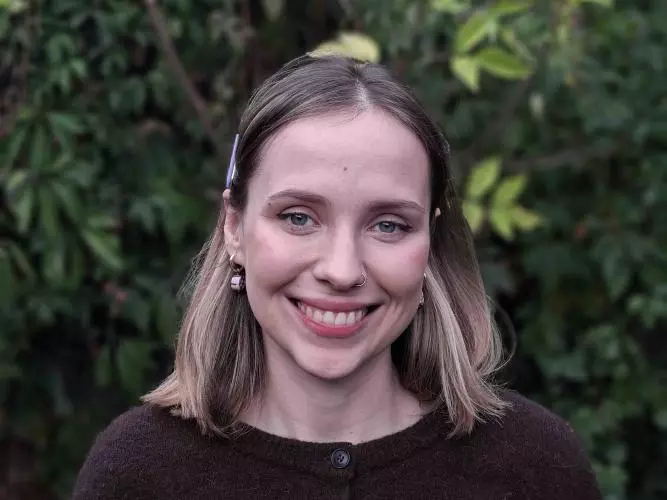
My current research explores how animals gather and send information using vibratory signals, with a focus on arthropod courtship. More broadly, my research interests include neurobiology, animal behaviour, ecology, and evolution.
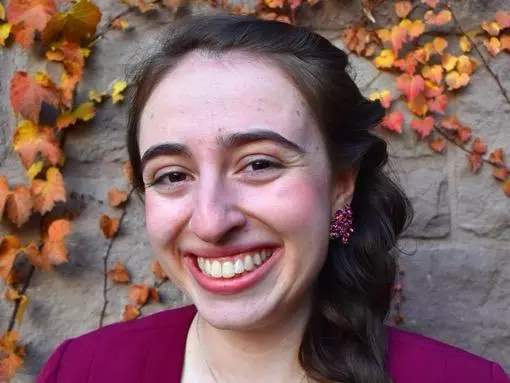
I am a scientist, educator, and storyteller. I am interested in avian migration, particularly partial migrant systems. Partial migration occurs when some individuals in a population are migratory and others are sedentary. Widely considered the “evolutionary turntable between migratoriness and sedentariness,” resident populations may maintain cryptic genetic variation for migratory activity. Thus, avian systems of partial migrants are perfect opportunities to study the genetics underlying observed differences in migratory strategy.
For my DPhil, supervised by Sonya Clegg and Ben Sheldon, I plan to explore partial migration across species and systems—Silvereyes in Tasmania, Common Chiffchaffs in the UK, and European Robins in Germany—using a combination of genetic techniques and fieldwork.
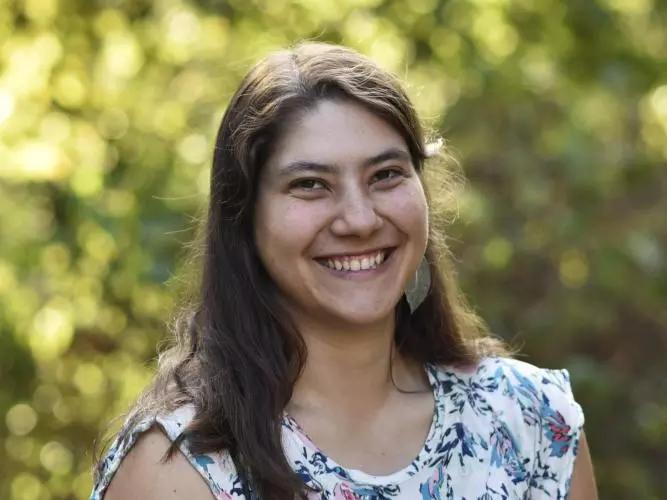
I study how birds recognize one another and the role of this ability in coordinating group behavior. Individuals within bird flocks do not contribute equally to collective decisions, with leadership often falling to more knowledgeable or experienced individuals. To maintain cohesion, flock members must be able to recognize and follow these leaders, even during high-speed flight.
I combine conditioning experiments with behavioral observations and machine learning, using homing pigeons as a model species to investigate the role of visual recognition in flock dynamics. By uncovering the visual and cognitive foundations that underpin flock behavior, I hope to contribute to a better understanding of the social needs of species of conservation concern.
I am passionate about applying insights from behavioral research to inform conservation efforts at every stage, from animal husbandry and pre-release preparation to the management of their habitats. I am also interested in how individuals form and maintain social bonds with conspecifics.
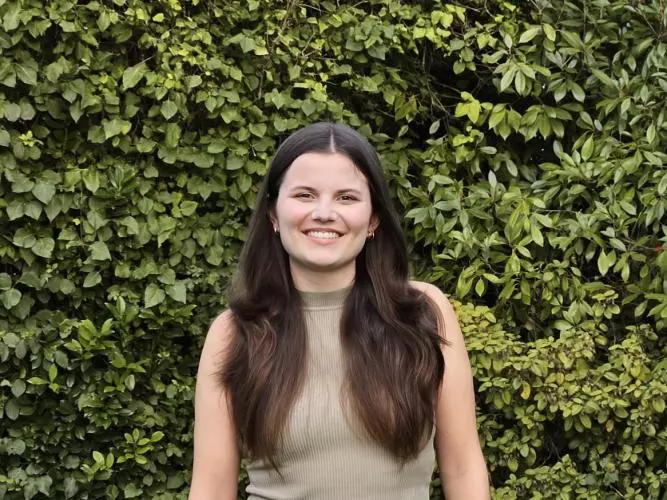
My research explores how individual-level social behaviours shape group-level dynamics in animals. I am particularly interested in how monogamous pair bonds influence information transmission within bird flocks, and how these effects change with group size. With this research, my aim is to understand how individual social relationships shape collective behaviour and the ecological consequences of sociality.


