Image

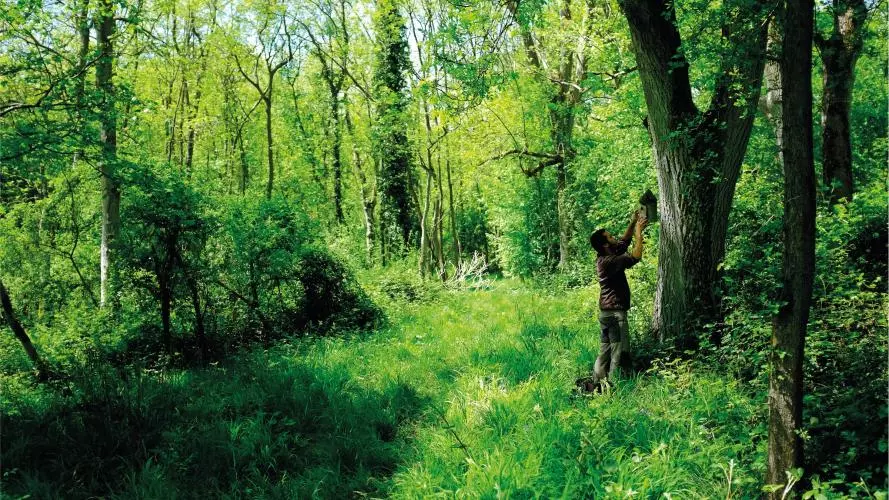
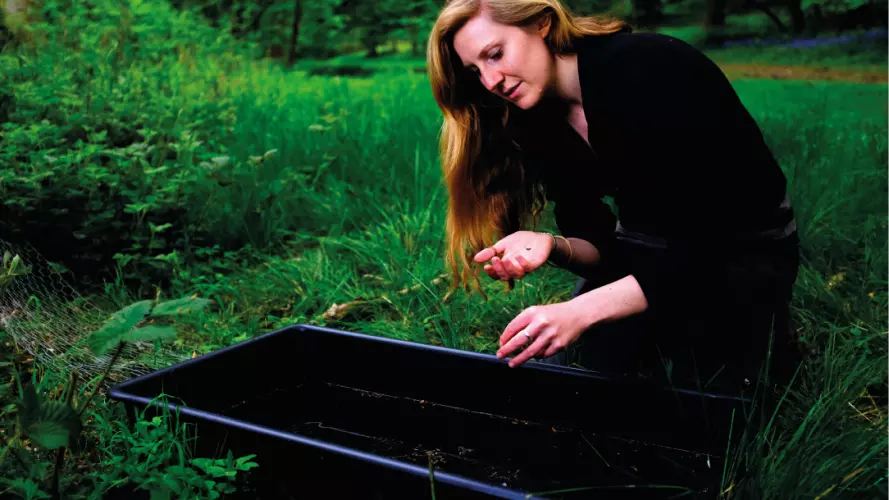
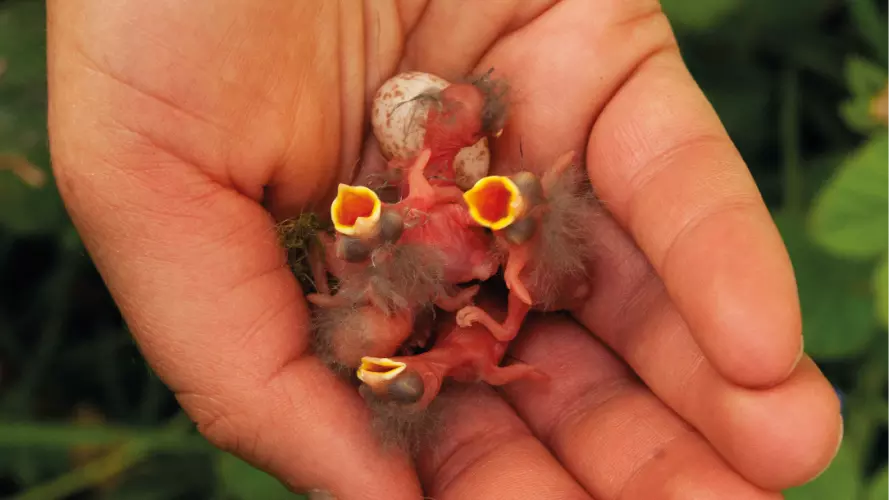
Research at the EGI focuses on primarily avian systems to address questions spanning several themes, including ecology, evolution, behaviour, genetics, and physiology. We use a combination of field observations, experimental approaches and computational techniques to study how animals interact with their environments and adapt to change.
We work with organisms such as:
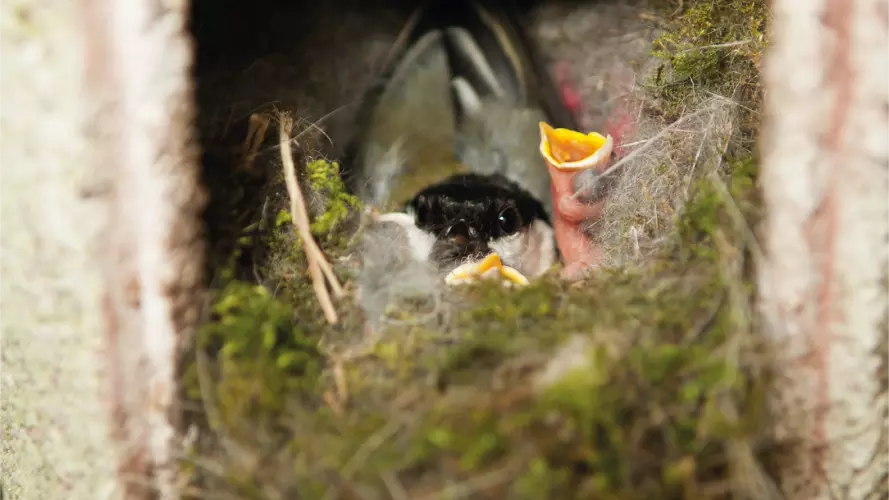
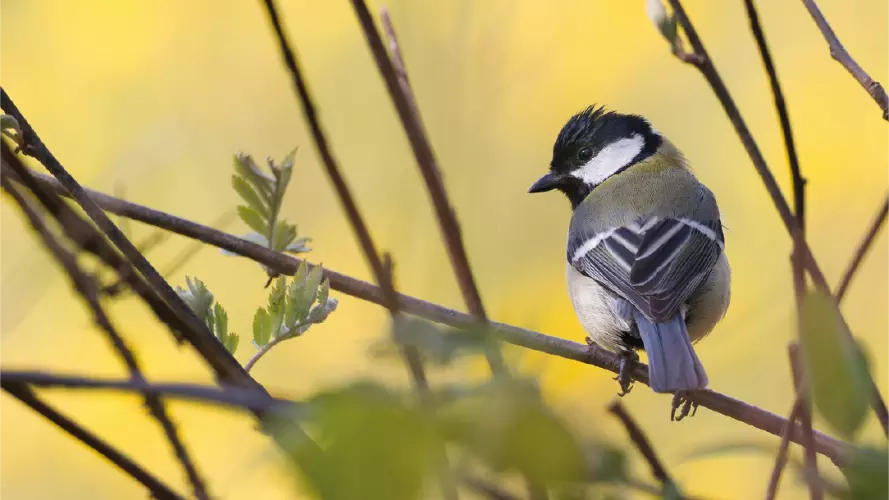
- Great and Blue Tit (Parus major & Cyanistes caerulues) to investigate questions related to phenology, local adaptation, sociality, reproductive behaviour and dispersal.
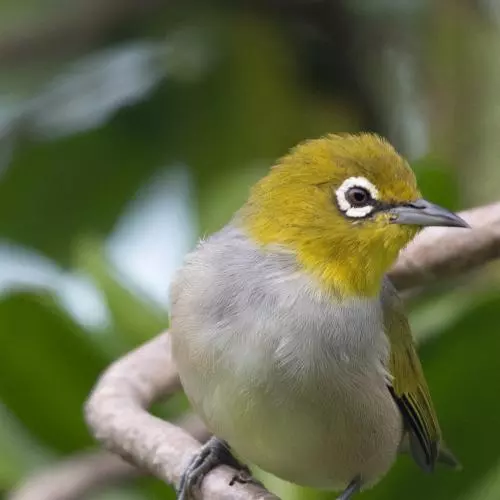
- Silvereye (Zosterops lateralis) to study speciation and the evolutionary consequences of island colonisation, including changes in morphology and song variation.
- Lake Titicaca Grebe (Rollandia microptera), to design conservation strategies for this endangered species endemic to the unique region of Lake Titicaca.
- Northern Spotted Owl (Strix occidentalis caurina) to understand their decline and improve management strategies.
As well as:
- Winter Moth (Operophtera brumata), a key food source of woodland passerines, such as the great tit, used to study the implications of climate change on trophic interactions.
- English Oak (Quercus robur) and other deciduous trees: monitored to capture phenological events linked to the life cycles of herbivorous insects (winter moth) and small passerines (great tit, blue tit) to study responses to environmental change at small spacial scales.
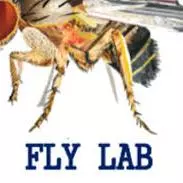
- Fruit fly (Drosophila melanogaster) to study male reproductive senescence and the effects of environmental conditions experience early in life.
- Flat fly (Hippoboscidae spp.) to study avian disease transmission under anthropogenic change.