
WELCOME
to the Edward Grey Institute of Field Ornithology
The Edward Grey Institute of Field Ornithology (EGI) is an internationally renowned centre for scientific research on avian biology, and forms part of the University of Oxford Department of Biology. The institute takes a multidisciplinary approach to address questions related to the behaviour, ecology, evolution, genetics, physiology and conservation of birds.
The birthplace of Behavioural Ecology
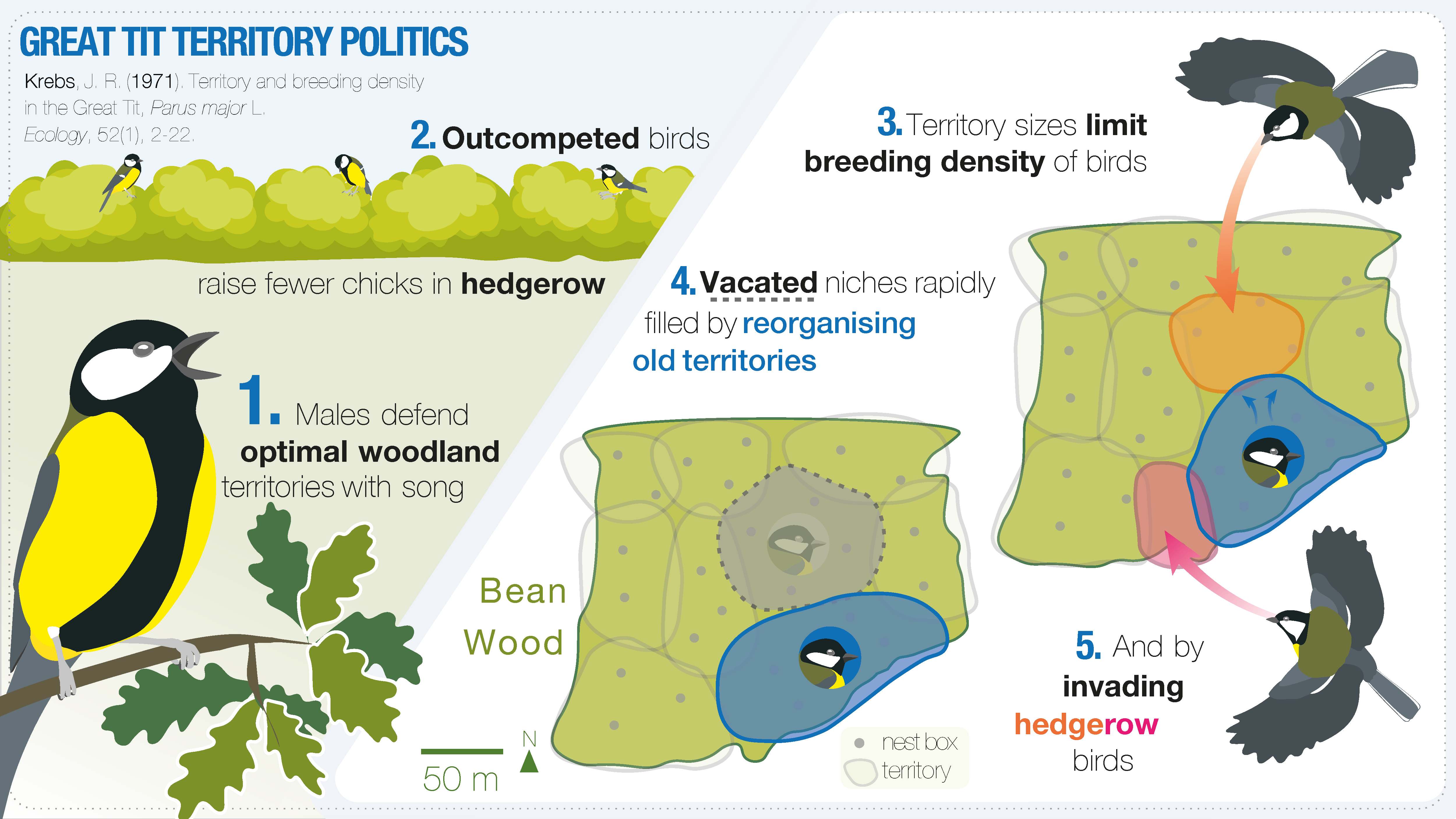
The Edward Grey Institute is often considered the birthplace of behavioural ecology, a field that explores how animal behaviour evolves in response to ecological and evolutionary pressures. During the 1960s and 70s, research at the institute moved beyond simple descriptions of behaviours to asking deeper questions about why animals behave the way they do from an adaptive point of view. Leading figures like John Krebs and Nick Davies were instrumental in this shift, combining detailed field observations with evolutionary theory and quantitative models. This new framework was formalised in their influential textbook Behavioural Ecology: An Evolutionary Approach, first published in 1978, which helped define the field and establish behavioural ecology as a major discipline in modern biology. Their later book, An Introduction to Behavioural Ecology, has become essential reading for generations of students and researchers alike.
The Alexander Library
The institute's Alexander Library of Ornithology (now based in the Radcliffe Science Library) is one of the most important ornithological reference libraries in the world, containing extensive collections of 19th, 20th and 21st century books, pamphlets and periodicals, and an archive of ornithological notebooks and diaries. It is an international resource with the collections covering ornithology, natural history, conservation, ecology and behaviour.
Founded in the 1930's on the personal collections of Wilfrid Backhouse Alexander, the Alexander Library was originally housed at 91 Banbury Road and later moved into the Zoology Department in the Tinbergen Building. W.B. Alexander was the first Director of the Oxford Bird Census (the predecessor of the EGI) and on his retirement in 1945 he became the first Librarian, holding the position until 1955. The Library was named in his honour in 1947. The Library moved into the Radcliffe Science Library in 2017 and is now stored offsite.
Today, much of the material within the collections is received via donation or through exchange schemes. The library enjoys a close relationship with the British Ornithologists' Union and books which have been reviewed within its journal, The Ibis, are subsequently deposited in the Alexander Library.
More information of how to access the library's collections can be found here: libguides.bodleian.ox.ac.uk/ornithology
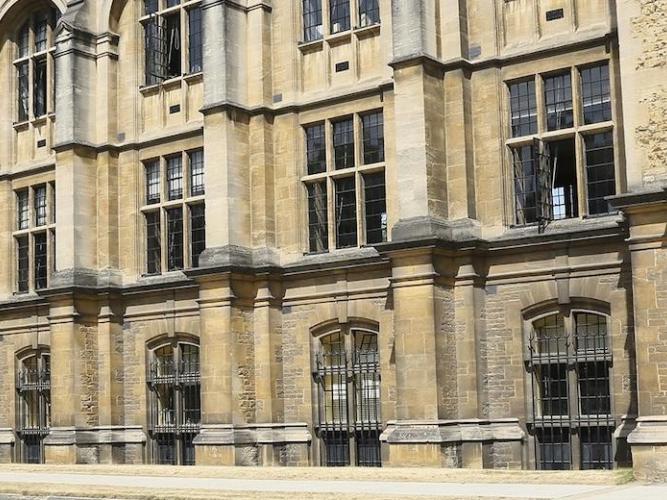
Credit: Bodleian Libraries
The Wytham Tit Project
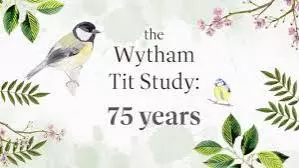
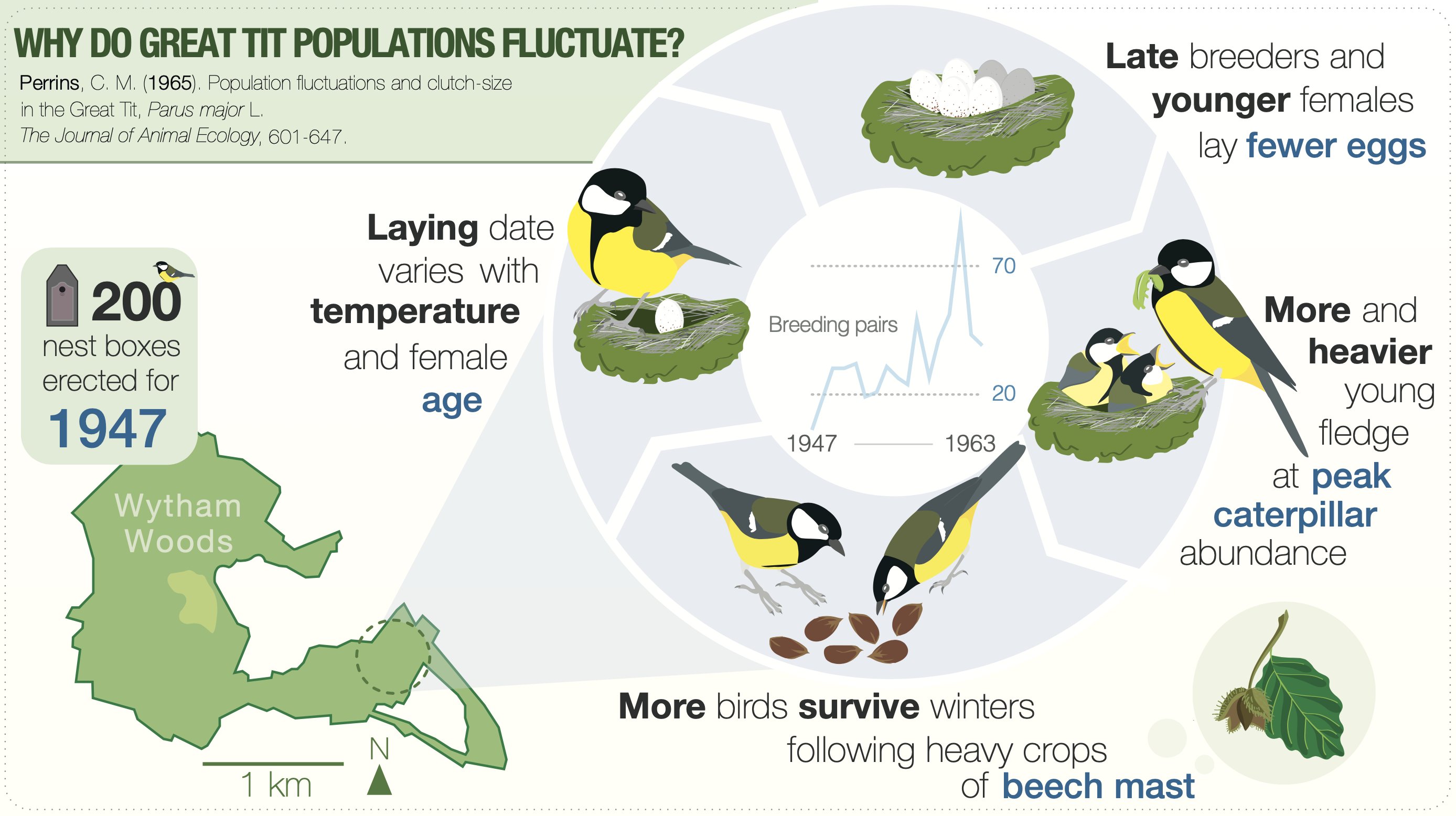
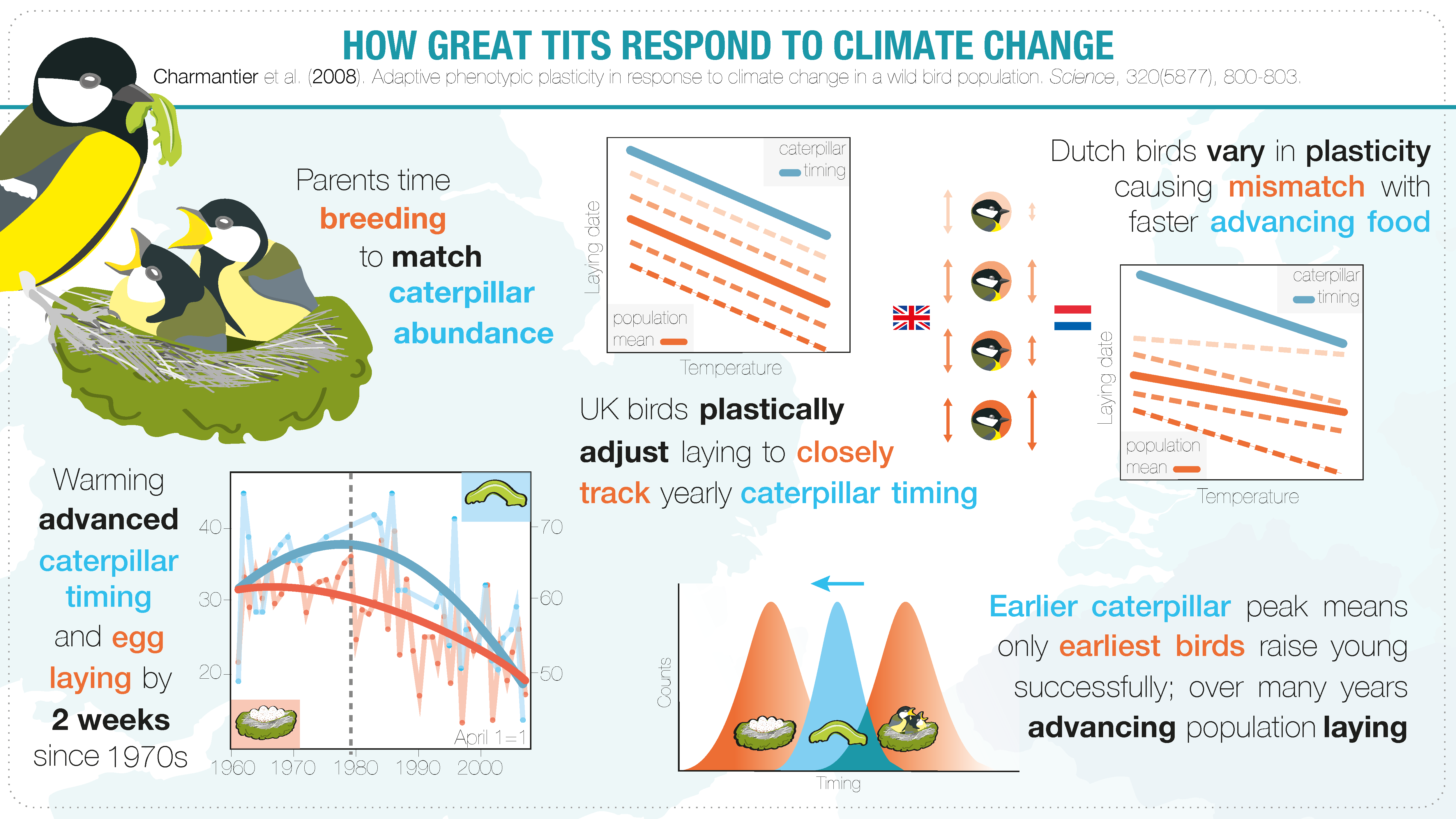
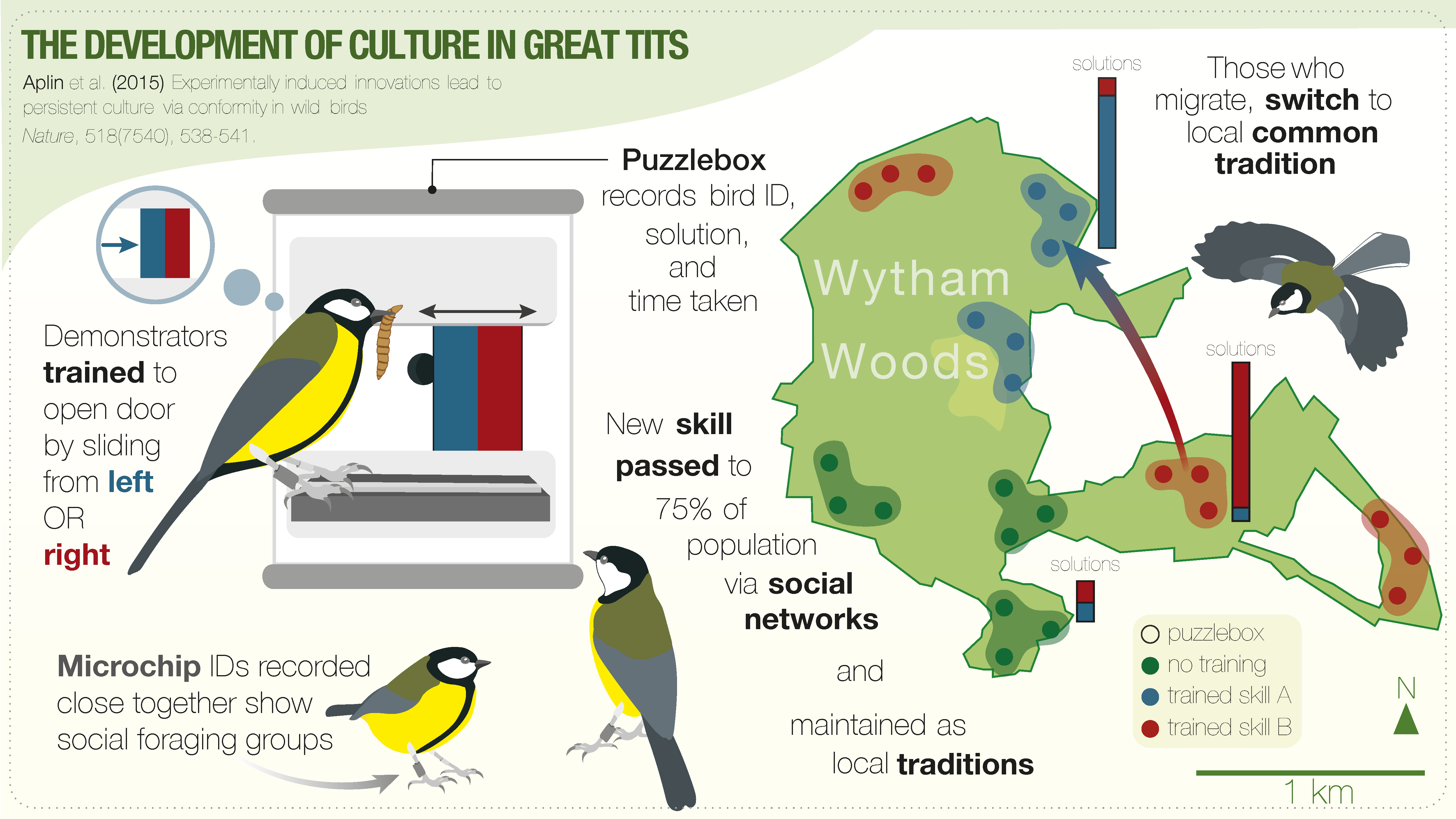
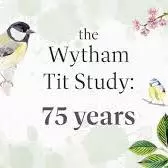
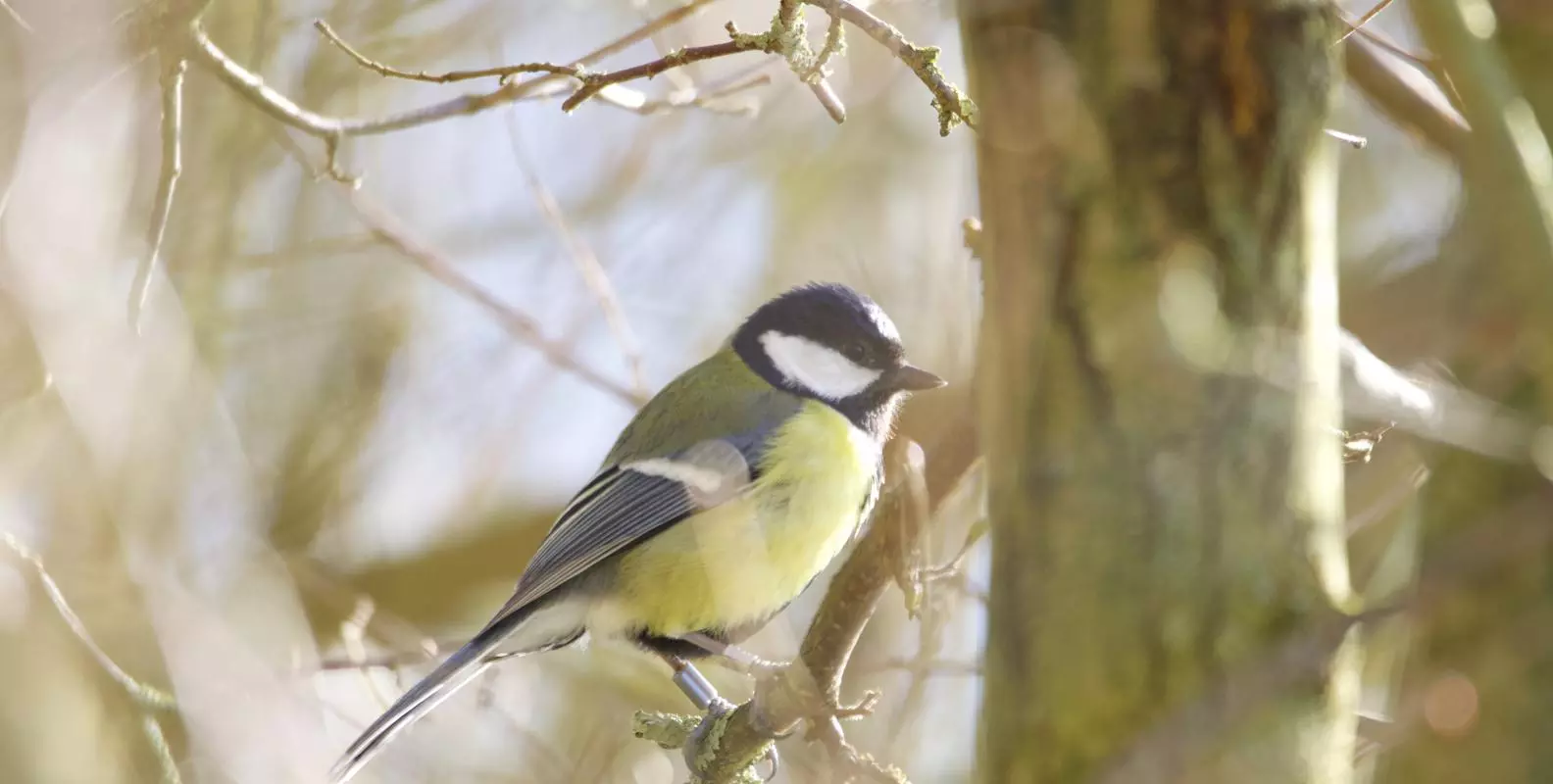
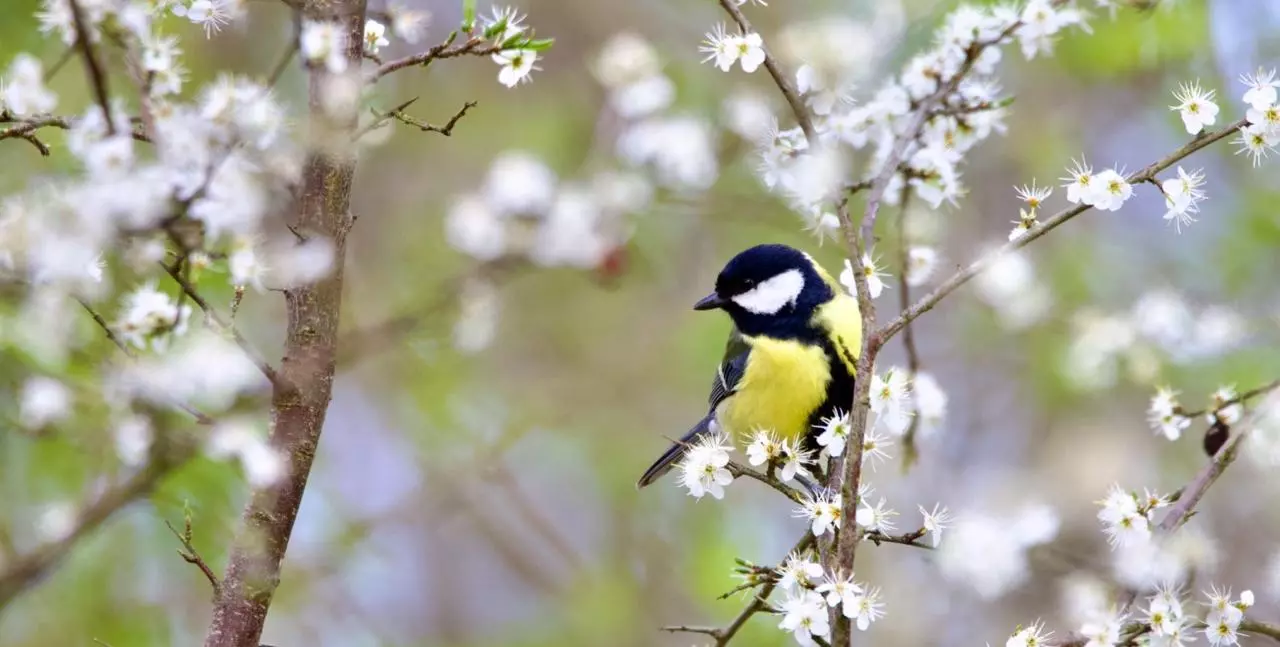
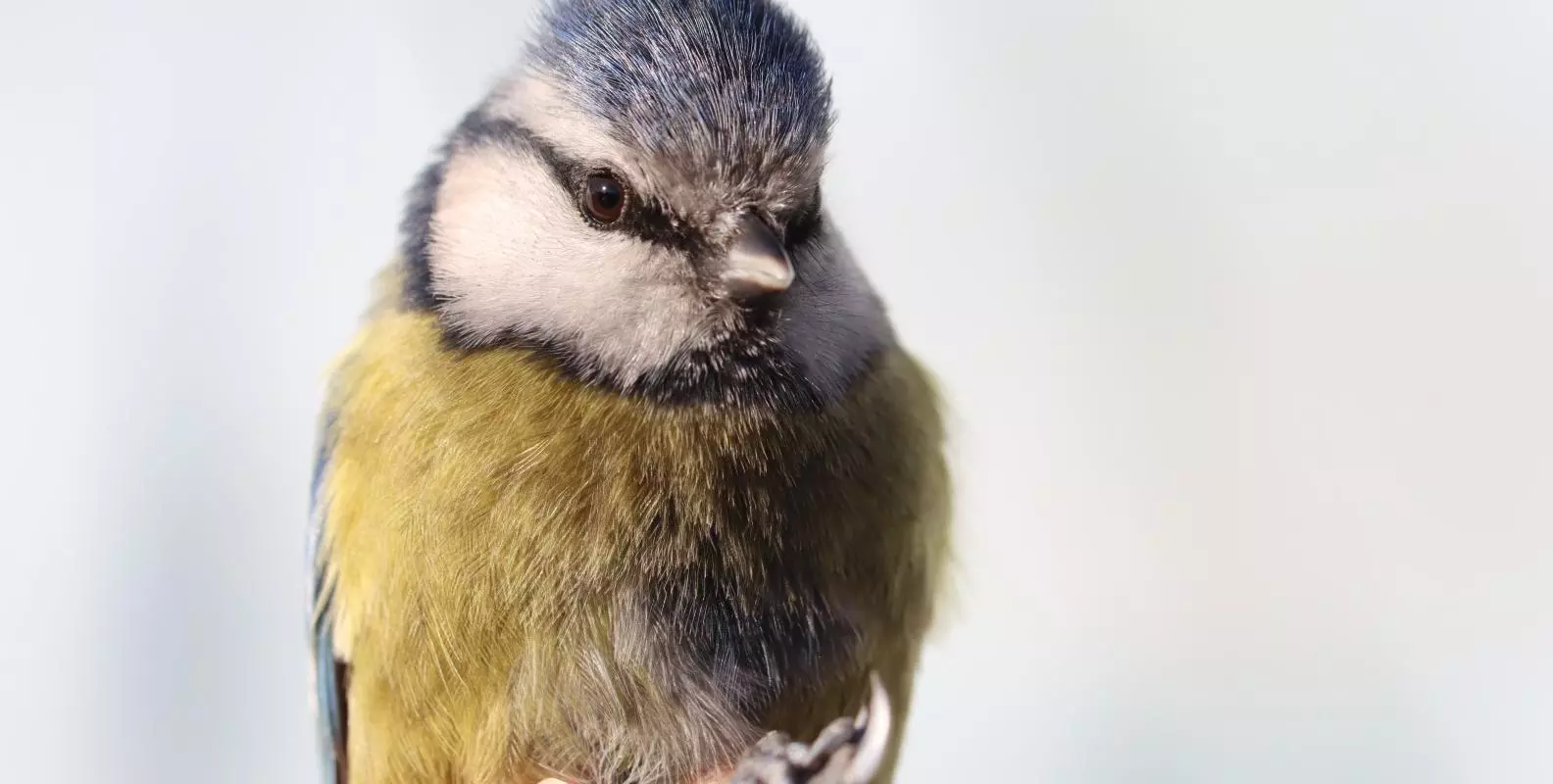
The Edward Grey Institute runs the Wytham Tit Project; a long-term population study of two woodland bird species - great tits (Parus major) and blue tits (Cyanistes caeruleus) - based at Wytham Woods near Oxford. The project was established in 1947 by John Gibb and David Lack, inspired by pioneering work by Kluijver in the Netherlands, in order to study the breeding biology of the great tit. Lack initially put up 100 nest boxes in Marley Wood, one section of Wytham Woods; the study was later expanded around 1960 to cover the entire 385-hectare woodland using over 1000 fixed location nest boxes. Over the ensuing decades, we have monitored all the breeding attempts in these boxes and individually-marked all parents and offspring (spanning over 40 generations), making this one of the longest running ecological studies of marked wild individual animals in the world.
Wytham Woods was bequeathed to the University by the ffennell family in 1942 after the death of their only child, Hazel. The ffennels requested that the woods be used "for the instruction of suitable students" and to "provide facilities for research". Accordingly, the woods became the University's ecological laboratory (a.k.a. The Laboratory with Leaves), with scientists using the woods to research climate change and the behaviour and ecology of birds, bats, badgers and rodents.
The Abbotsbury Swannery
The Edward Grey Institute has a long-standing connection with Abbotsbury Swannery in Dorset, home to the world's only managed colony of nesting mute swans, providing an unparalleled opportunity to study swan behaviour and ecology in a semi-natural yet accessible setting. Long-term monitoring of the swan population at Abbotsbury began in 1968, headed by Chris Perrins, who was appointed Warden of the Swans in 1993. Research using this dataset has yielded valuable insights into topics such as mating systems, territoriality, and parental care. During the summer moult when swans are flightless, the swannery team and volunteers from across the country gather and ring every swan in the Fleet at biennial round-up events, allowing research into individual-level and intergenerational questions. A similar event takes place every year on the River Thames, called the Swan Upping, to conduct an annual census and ringing of the swan population. The collaboration between the EGI and the Swannery stands as a testament to the value of long-term ecological study systems in behavioural research.